

This seminar week explores how to design by ear, using CAD-integrated acoustic tools. Students will record the soundscape of a chosen space within HIL at different times and in different uses, then analyse the recording’s sound events, spectral qualities, and causal relationships. Based on this analysis, the task is to imagine alternative soundscapes: removing, filtering, adding, or modifying sounds to reshape the room’s atmosphere. These imagined scenes are then transformed into acoustic intentions and, finally, into concrete architectural interventions — material, geometry, form — that would make the space sound as imagined.
Students are introduced to a range of tools: room acoustics simulation (ray tracing, image-source methods), sound editing (Reaper, Audacity), AI-based soundscape analysis and generation (sound event detection, large language models, text-to-audio diffusion models), and auralization to render the redesigned soundscape audible.
The seminar week is linked to the LivingLab HIL project.

Schedule
| Monday | Tuesday | Wednesday | Thursday | Friday | |
|---|---|---|---|---|---|
| 9:00 – 10:00 | Introduction | Input 3 Soundscape theory | Input 4 Sound is blue app tutorial | Project work | Project work |
| 10:00 – 11:00 | Input 1 Acoustics 101 | Sound design workshop | Input 4 Sound is blue app hands-on | Project work | Project work |
| 11:00 – 12:00 | Blindfold Walk | Sound design workshop | Input 4 Sound is blue app hands-on | Project work | Project work |
| 12:00 – 13:00 | Lunch Break | Lunch Break | Lunch Break | Lunch Break | Lunch Break |
| 13:00 – 14:00 | Input 2 Audio recording and analysis | Task 2 Soundscape design | Input 5 Room Acoustics simulation | Project work | Project work |
| 14:00 – 15:00 | Task 1 soundscape analysis | Task 2 Soundscape design | Input 5 Room Acoustics simulation | Project work | Project work |
| 15:00 – 15:30 | Coffee Break | Coffee Break | Coffee Break | Coffee Break | Coffee Break |
| 15:30 – 16:00 | Task 1 soundscape analysis | Task 2 discussion | Group matchmaking | Project work | Final Exhibition |
| 16:00 – 17:00 | Task 1 discussion | Task 2 discussion | Project brainstorming | WIP presentations | Final Exhibition |
| 17:00 – 18:00 | Task 1 discussion | Task 2 discussion | Project brainstorming | WIP presentations | Final Exhibition |
Tasks
Task 1
Record and analyse a soundscape in the HIL building. Capture the essence of the space.
Output:
- 5-minute presentation (including playback)
- 1-minute soundscape (after cuts)
- Annotated spectrogram: what kind of sounds, spectral qualities, rhythms, sound locations, etc.
- Soundscape sketch (hand-drawn)
You can stage sound events in the space if necessary
Task 2
How would you “renovate” the soundscape of your recorded space?
- Choose a space in HIL or re-use your previous recording from yesterday
- Add/edit/remove sounds in the soundscape using:
- Multiple tracks
- EQ filters
- Fading effects
- Volumes
- Automations
Output: Apply Aural architecture approach
- Site analysis: Present the existing conditions (30-second soundscape)
- Acoustic intentions: what do you want to change and why (Soundscape representation/sketch)
- New soundscape (1 minute)
Task 3
Suggested steps:
- Model your space (3D model + acoustic model)
- Explore possible soundscapes/scenarios/acoustic conditions (concept phase)
- Curate two sound scenes to focus on
- Explore acoustic solutions through simulations
Output: SW assignment post + 15-minute presentation
Your presentation and the post should include:
- Analysis of the original soundscape (sketches, spectrograms, etc.)
- Acoustic/soundscape intentions
- Architectural/acoustic gestures (How did you implement the changes)
- One saved “Sound is blue” project, containing:
- 2 sound scenes at different times of the day and/or usage scenarios
- 2 listening positions
- 1 to 2 acoustic simulations (assigned acoustic materials)
Only for the post
For each sound scene and listening position:
- Binaural soundscape files, exported from the soundisblue website
- Screenshots of the default and acoustic view
The final presentation will be in IDL, on a computer where you can live-control orientation and listener positions.
Student work




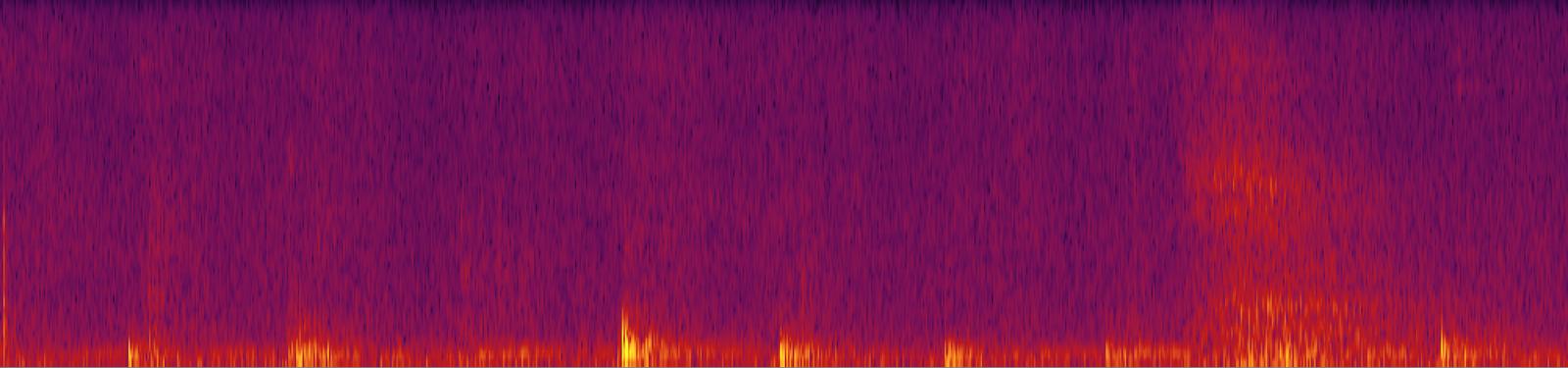


Tutors

Dr. Achilleas Xydis
ETH Zurich

PhD.c Taha Bouizargan
ETH Zurich
Seminar week material
REAPER
HIL 3D model: Rhino8, DXF
Sound Library 1: Freesound
Sound Library 2 (open on Google Chrome): Google Sound Library
Lectures
Input 3 – Aural Architecture (Taha Bouizargan)
Input 4 – Sound, Space and Architectural configurations (Christoph Brünggel)
Additional material
Dear Architects: Sound Matters
Acoustic tools and definitions