
01. Lucinda’s Dorm Room 1411, Cäsar-Ritz-Strasse 1 (~1400 m2)

My room, like any other dorm room, is primarily a private space for sleeping, studying, and resting. Acoustically, it is relatively dry and intimate because of its small size and furniture, providing absorptive surfaces that limit some reverberation. When it’s quiet outside, the room feels comfortable and calm. In the morning, I sometimes open the window to hear birds chirping, while at night the low hum of traffic acts as a pleasant, unobtrusive white noise.
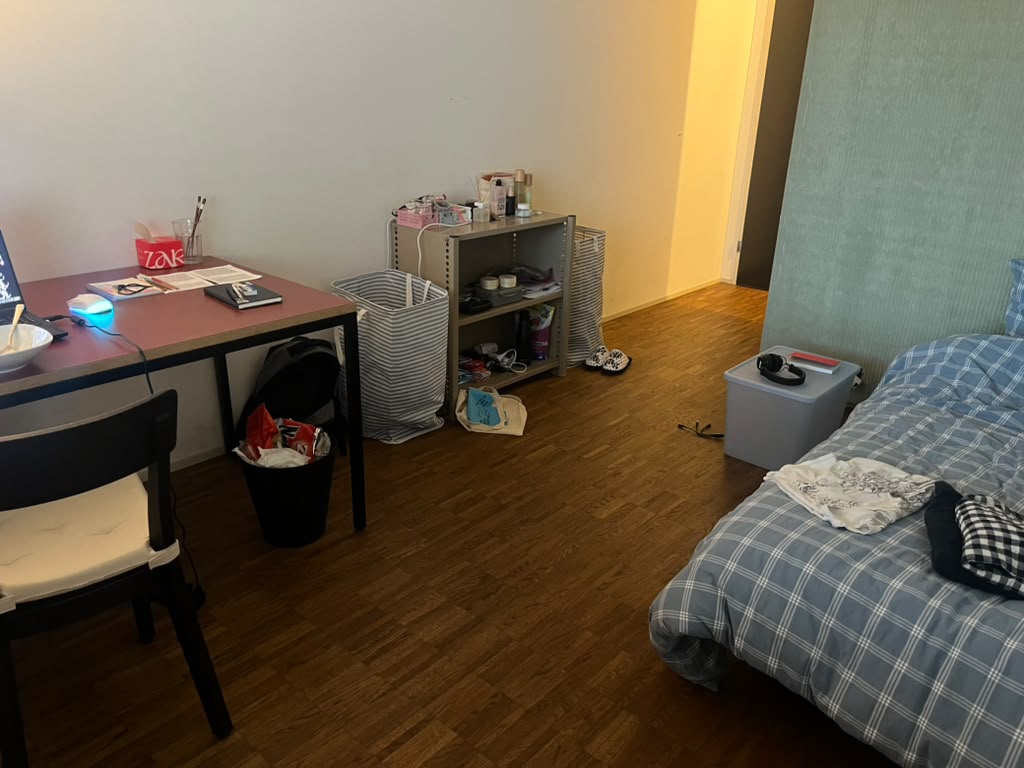
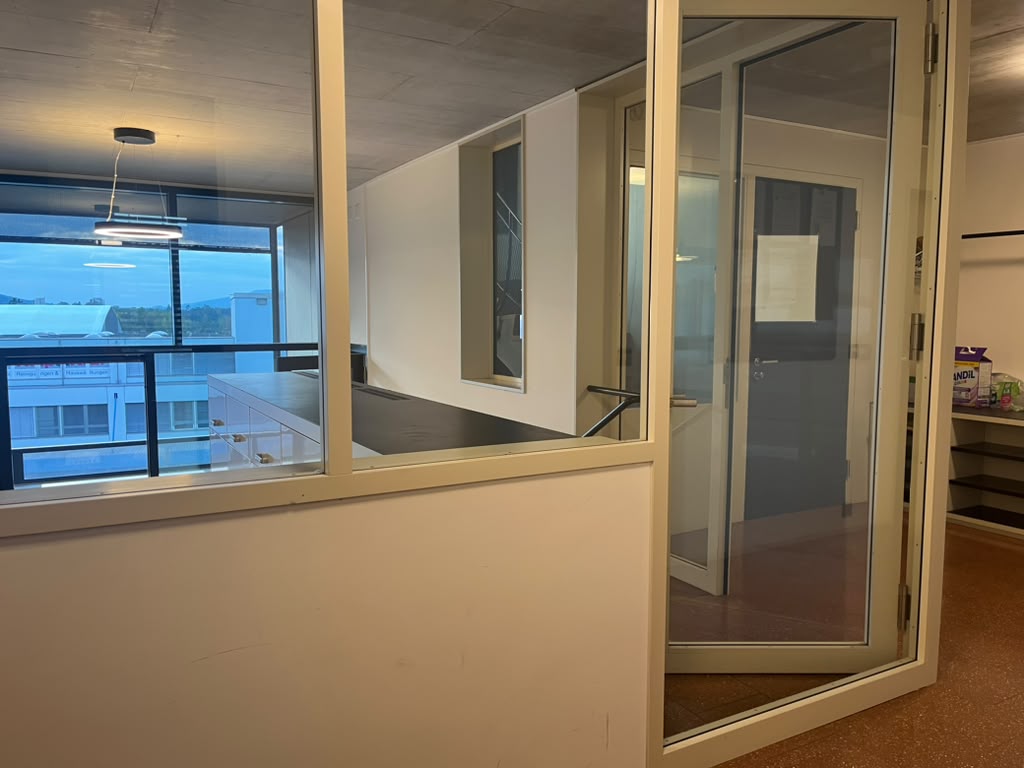
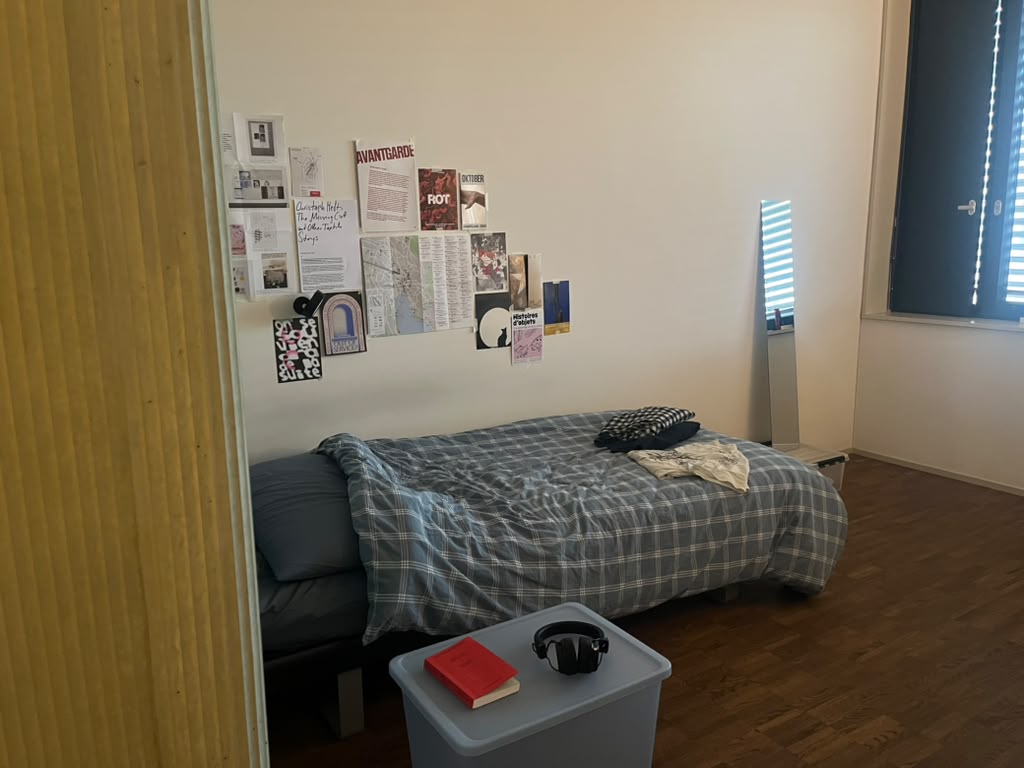

What is most striking is how easily sound travels through the building. The concrete all around amplifies the intensity of any noise made outside of a bedroom as it reflects and overlaps. Sounds from the communal kitchen are particularly noticeable. The space’s large volume and high ceiling bring muffled, reverberant conversations into my room. Kitchen parties can get on my nerves, as the noise is unpredictable and uncontrollable. Sudden high-frequency screams or screeches can startle me, while prolonged medium-frequency sounds varying in amplitude become frustrating.
The hallway produces more identifiable sounds, such as approaching footsteps and doors opening and closing. In contrast, once someone enters a neighbouring room, I cannot hear them. The closed room boundaries provide much better sound insulation. When everything is quiet, I can hear the very high-frequency, extremely low-amplitude electrical buzz from my slightly malfunctioning phone charger.
02. Bike Room, Ground Floor, Cäsar-Ritz-Strasse 1 (~15148 m2)

The bike room is much larger and more communal than my dorm room. Its high ceiling, concrete walls, floor, and columns create a very reverberant acoustic environment. The many bikes provide some scattered surfaces, but not enough absorption to significantly reduce reverberation. Unlike in my room, voices become increasingly difficult to understand as the sound source moves further away.
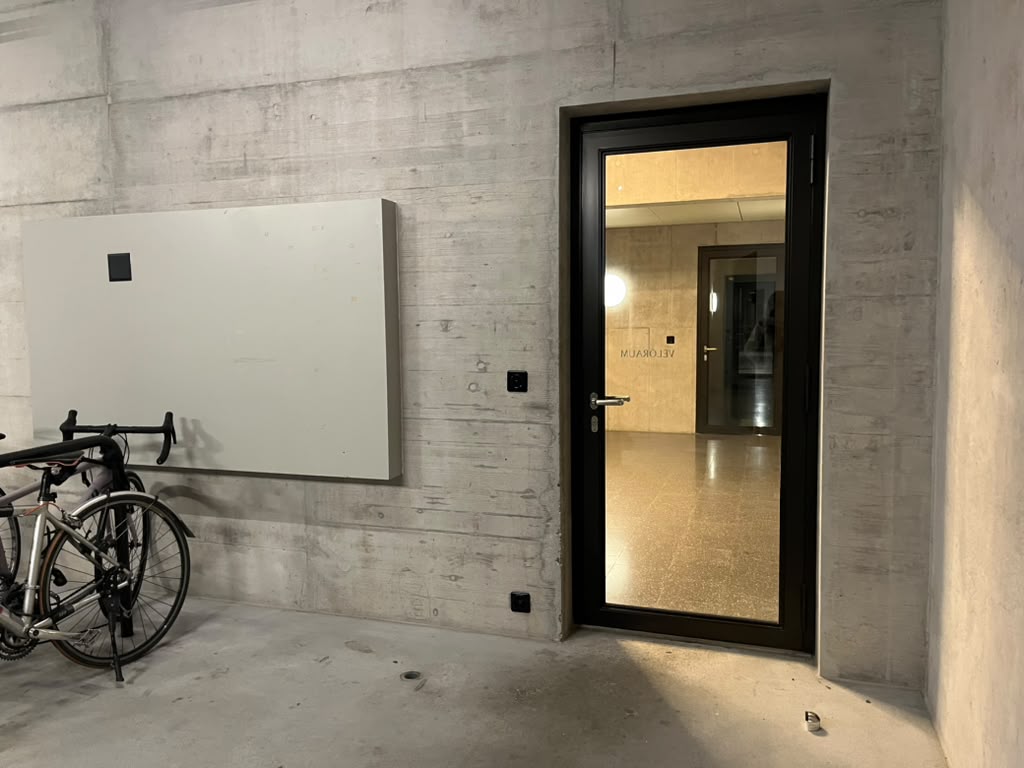
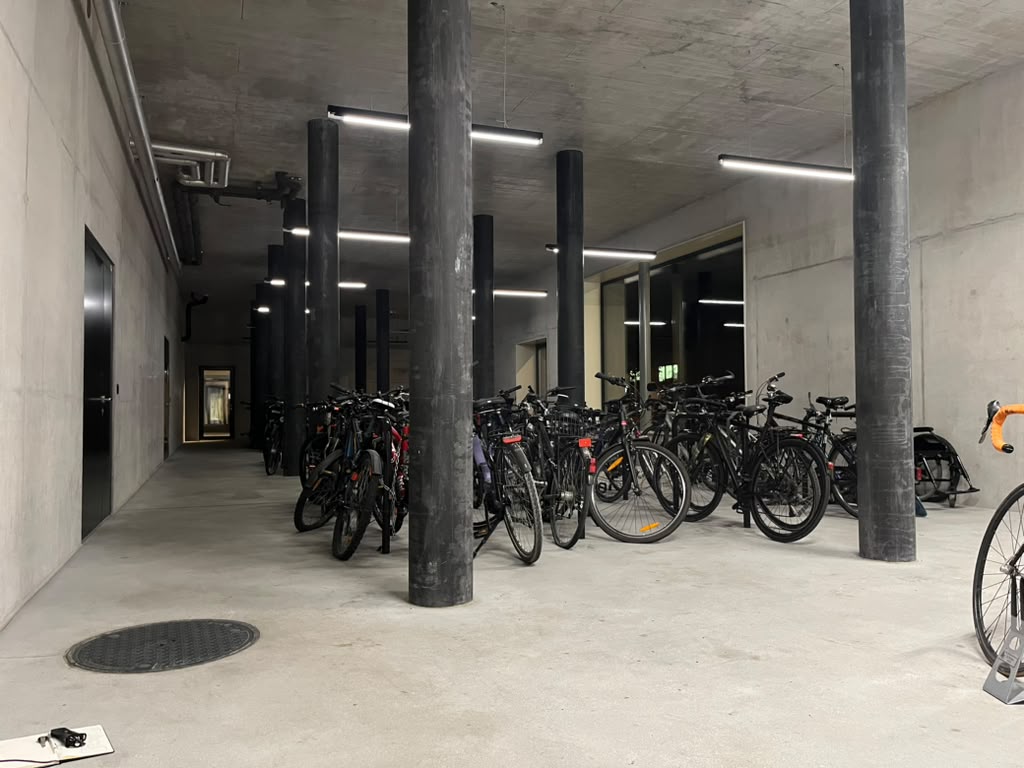
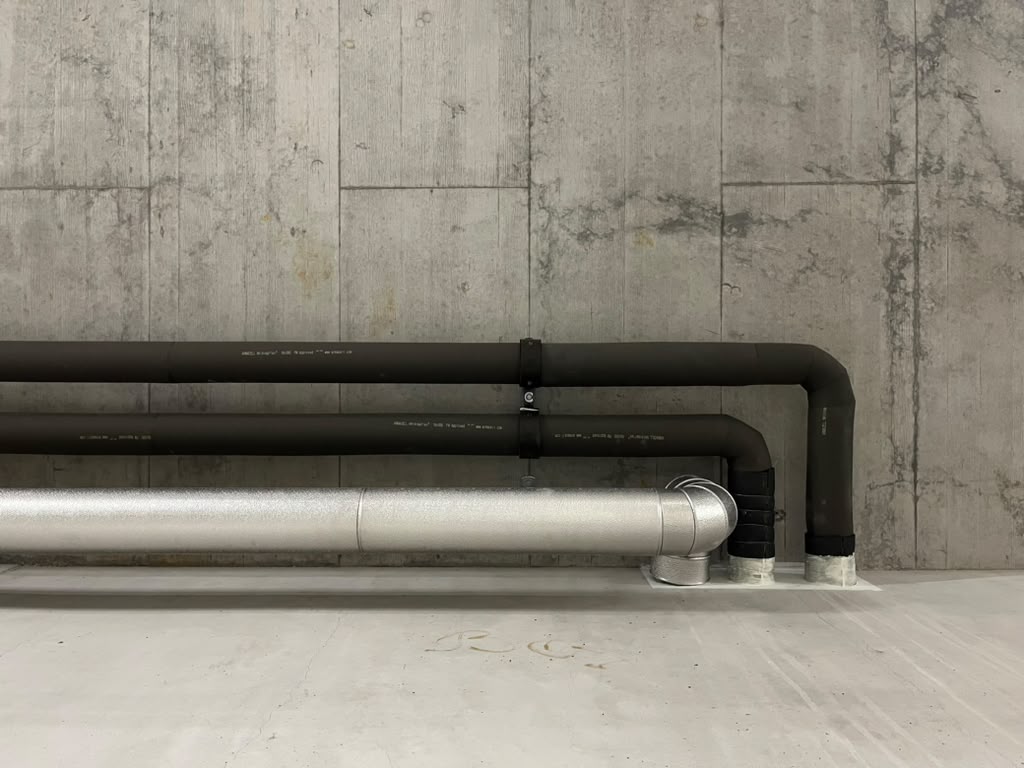
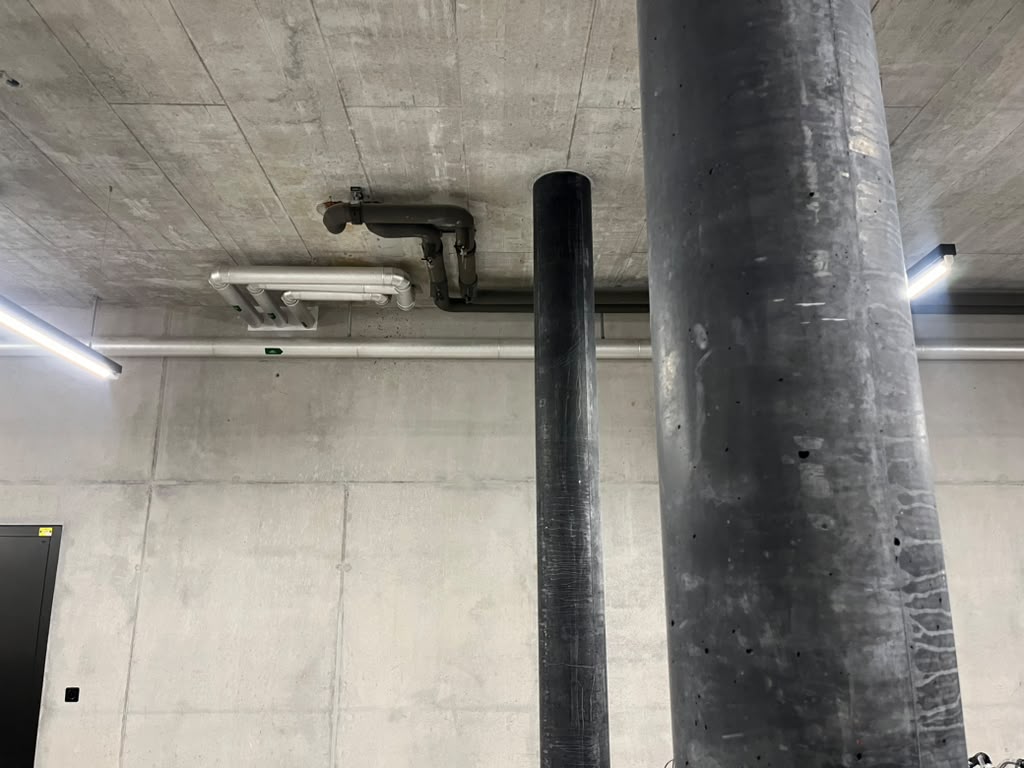
At the time of observation, it was nighttime and the space was quiet. The most consistent sounds were the low-frequency hum of the HVAC system and the intermittent sound of running water from the exposed overhead pipes. Occasionally, someone entering the neighbouring laundry room produced footsteps and a louder, short door-shutting sound. When one person entered while I was listening, their footsteps became a moving sound source, travelling through and echoing across the room. There were no high-frequency sounds while I was there.
Emotionally, the space sounded empty despite its abundance of bikes. It felt somewhat detached and impersonal. At the same time, the evening quiet and lack of unpredictable noises felt peaceful, while the HVAC provided a continuous acoustic baseline.
(I’m having difficulty transferring the recording audio… Hopefully solved by 1.10)